Tick Management in North York: Local Protection Tips
Why Tick Control Matters in North York
Tick control is an key part of property protection for homeowners in North York, ON, especially in neighbourhoods with mature trees, shaded yards, and easy access to green space. In a community that extends from busy corridors like Yonge Street to quieter residential https://sites.google.com/view/pest-control-in-north-york/ pockets near the Don Valley, ticks can move from wooded habitat into backyards, fence lines, and lawn edges. That makes pest control North York more than a convenience; it is a useful step for family safety and pet safety.
The main health concern is Lyme disease, along with other forms of tick-borne illness. Blacklegged ticks are the most studied species because they can carry pathogens that affect humans and animals. While not every tick is infected, the risk is genuine enough that tick prevention should be part of routine home care in North York, especially during periods of seasonal pest activity from spring through fall in the Greater Toronto Area.
North York has a mix of dense urban streets, established suburban lots, and properties bordering parks, ravines, and treed corridors. Those conditions can support outdoor pest control challenges that require beyond a quick cleanup. For many residents, effective tick control combines residential pest control, preventive maintenance, and landscape management that reduces where ticks can live and wait for a host.
Frequent Tick Varieties and Their Hiding Places
These two tick varieties most often mentioned by local homeowners are the blacklegged tick and the American dog tick. Blacklegged ticks are especially significant because of their connection to Lyme disease. American dog ticks are also a concern for outdoor activity, particularly around lawns, borders of wooded areas, and places where wildlife or pets move through regularly.
Ticks do not usually thrive in open, hot, dry areas. They prefer humid microhabitats where they can stay protected while waiting for a host. In North York, that often means:
- high grass along the edge of a backyard
- tree-lined areas near ravines, trails, or parkland
- sheltered spots under bushes and ground cover
- leaf litter near fence lines and garden borders
- overgrown corners behind sheds or around storage areas
These hiding spots are relevant in neighbourhoods where a lawn meets mature trees or where a backyard backs onto a green corridor. The mix of sheltered shade and animal movement creates ideal conditions for vector control concerns. In practical terms, a property near the Don Valley or other wooded corridors may face increased exposure than a fully open lot, even if the home itself is in a well-kept residential block.
Ticks often “quest” by clinging to grass blades or low vegetation and waiting for a person, dog, or other animal to pass. That is why simple landscape management can make such a difference. If your yard has dense shrubs, thick mulch, or untrimmed edges, it may offer more protection for ticks than you realize.
Indicators You Could Be Dealing With a Tick Problem
A lot of homeowners first detect tick activity after discovering tick bites on themselves or their family members. That said, a tick problem can also appear through your pets, especially if dogs or cats spend time in the backyard, on walks, or near park edges. A consistent pattern of tick finds after outdoor time is one of the most obvious infestation signs.
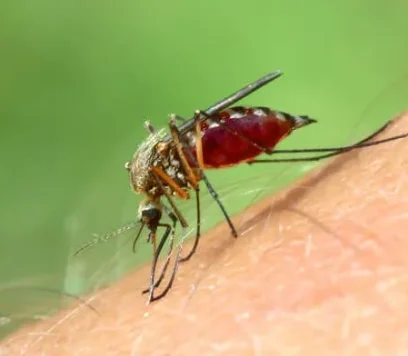
For humans, signs may include a tick attached to the skin, redness around the bite site, or a rash that develops after a delay. Because the tick may detach before it is noticed, an outdoor inspection after yard work, gardening, or time in parkland is essential. For pets, you may spot scratching, unusual grooming, or a small attached tick around the ears, collar area, armpits, or between the toes.
Useful indicators that you may need more thorough tick control include:
- Repeated tick finds on dogs after outdoor play
- Ticks discovered on cats that go into shaded yards or nearby brush
- Regular tick bites after using the backyard
- Ticks found near doors, mudrooms, or pet bedding
- Thick vegetation along the perimeter of the lawn
If your home sits close to trees, ravines, or parkland, a routine inspection checklist becomes especially important. In North York, the combination of residential yards, fences, and shaded edges can allow ticks to move in from adjacent habitat without being obvious at first. Early detection is a major part of risk reduction.
Professional Tick Prevention Treatments in North York
Reliable tick control generally starts with a detailed yard inspection. A trained provider checks for vegetation density, moisture buildup, animal pathways, and shaded areas where ticks are most likely to survive. This inspection helps guide a targeted plan rather than relying on broad, unnecessary spraying.
A strong local service may include tick treatment tailored to the property layout, especially around perimeter edges, fence lines, stone borders, and heavily used outdoor areas. In many cases, a licensed pest control technician will advise an approach based on integrated pest management, which combines habitat modification, monitoring, and targeted treatment instead of blanket applications.
That approach is particularly valuable for families looking for eco-friendly solutions and responsible residential pest control. It allows the technician to focus on the parts of the yard most likely to contribute to exposure while supporting long-term prevention. Depending on the property, a plan may also include:
- Identification of high-risk zones in the backyard and side yard
- Guidance on reducing shade and moisture near the lawn
- Tips for trimming vegetation around shrubs and woodlines
- Timing around seasonal pest activity for better results
For homeowners in North York, local service matters because neighbourhood conditions vary widely. A home near busy arterial roads may have different pest pressure than a property with deep shade and older tree cover. A knowledgeable provider can adapt the yard treatment plan to the specific setting and make sure the work supports property protection over the long term.
Integrated pest management is especially helpful because it focuses on inspection, monitoring, and preventive maintenance. That means less surprises, more precise action, and better coordination between indoor awareness and outdoor pest control.
Tips for Tick Prevention for Households and Outdoor Spaces
The most reliable tick prevention strategy is to leave your yard less inviting to ticks in the first place. In North York, where many homes have small lots, fences, and shade from mature trees, minor changes can make a noticeable difference in exposure.
Start with smart landscaping. Mow grass shorter in areas where people and pets walk frequently, and reduce brush that grows along fence lines or under trees. This helps cut down on the sheltered microclimates ticks prefer. Regular lawn maintenance is not merely about appearance; it is part of outdoor pest control and vector control.
Other helpful steps include:
- Build a clear mulch barrier between wooded edges and play or seating areas
- Remove leaf litter and yard debris cleaned up
- Improve air flow to support reducing moisture in shaded spots
- Store firewood, compost, and storage away from the house when possible
- Limit dense plantings directly against the home’s perimeter
These steps are especially useful for properties near parks, ravines, or treed corridors in North York and elsewhere in Toronto. Homes with backyards, fences, and shaded lawn edges often need more consistent inspection and treatment because those spaces can become hidden travel routes for ticks and wildlife.
If you are planning seasonal work in the yard, think in terms of landscape management rather than isolated chores. A one-time cleanup can help, but preventive maintenance throughout spring, summer, and fall gives the best results. That ongoing approach lowers risk and supports family safety without overcomplicating the routine.
Protecting Pets and Family Members
Safeguarding dogs and cats is a important part of managing ticks because pets often bring ticks back into the home after walking through grass, shrubs, or wooded edges. Once inside, ticks can detach and create a fresh risk point for the household. This is why pet safety should be built into every tick prevention plan.
Choose vet-approved repellents or preventives as directed by your veterinarian, especially during high-risk months. For families, the best day-to-day habit is a regular routine of tick checks after spending time outdoors. Check behind the ears, under collars, between toes, around the waistline, and in hair-bearing areas of the body. For children, make the check part of the routine after play in the yard, parks, or ravine trails.
Practical steps for homes in North York include:
- Inspecting pets after they return from the yard or a walk
- Using a lint roller or careful brushing where appropriate to spot hitchhiking ticks
- Refraining from letting pets off dense brush and tall grass when possible
- Cleaning outdoor clothing after lawn work or yard time
- Storing leashes, outdoor blankets, and pet gear in clean areas
Prompt tick removal matters if you find an attached tick on a person or pet. The sooner it is removed, the lower the likelihood of disease transmission. If you are unsure whether a bite is normal or concerning, contact a medical professional or veterinarian promptly. Family safety is improved by combining personal protection with property-based prevention.
When to Reach Out to a Pest Control Expert
You should get in touch with a qualified expert if you suspect an infestation or if there are recurring tick sightings around your home. A single tick can happen after a walk near a wooded area, but repeated finds in the yard, on pets, or near entrances suggest a pattern that needs a closer look.
Expert assistance is especially important when a property is adjacent to green space, has heavy shade, or sits near the Don Valley or similar habitat corridors. In those settings, seasonal treatment can help reduce the chance of ongoing exposure during the most active months. A trained technician can assess whether the problem is related to nearby habitat, wildlife movement, or specific yard conditions that are supporting tick activity.
Look for expert support when:
- When you notice ticks indoors or near entry points
- Pets frequently arrive with ticks
- Your yard has ongoing shaded areas and overgrowth
- DIY measures are not cutting down on sightings
- You want a professional inspection checklist and service follow-up
A local provider offering pest control North York services can create a plan based on the property’s layout and seasonal pest activity. That may include targeted treatment, habitat modification, and guidance on preventive maintenance. The goal is not just to react to visible ticks but to minimize the overall conditions that support them.
In many cases, pairing homeowner action with professional service offers the best balance of convenience, safety, and long-term results. That is especially true for families managing busy schedules in Toronto-area neighbourhoods where outdoor living spaces are used frequently.
Tick-related Management FAQs for North York Residents
What is the top tick control method for homes in North York?
The most effective approach often brings together tick prevention, yard cleanup, and professional inspection. In North York, a strong plan often includes cutting back grass and shrubs, reducing shade and moisture, using a mulch barrier, and scheduling a yard inspection if ticks keep showing up. For properties near parks, ravines, or wooded areas, integrated pest management and targeted treatment are often the most reliable options for long-term risk reduction.
When is tick season in North York, ON?
Tick season in North York, ON generally follows seasonal pest activity in the Greater Toronto Area, with the highest risk from spring through fall. Ticks can be active as temperatures rise and conditions stay humid in shaded areas. Because local weather and habitat vary, homeowners should treat warm months as the main window for regular tick checks, yard maintenance, and preventive maintenance.
How can I reduce ticks in my yard without harming pets?
Focus on habitat changes first. Keep the lawn trimmed, remove leaf litter, improve airflow, and limit dense vegetation near the home. Maintain a clean border between the lawn and wooded edges using a mulch barrier and thoughtful landscaping. If you use repellents or a yard treatment, make sure products are chosen and applied by a licensed pest control technician who understands pet safety. This approach supports eco-friendly solutions while reducing exposure.
Do professional pest control services help with tick prevention?
Yes. Professional pest control North York services can help with both immediate tick control and long-term prevention. A technician can perform a yard inspection, identify high-risk areas, and recommend targeted treatment based on integrated pest management. That makes it easier to protect your backyard, support family safety, and reduce the chance of repeat sightings near doors, patios, and fence lines.
How much does tick control cost in North York?
The price of service depends on property size, the severity of the problem, whether an infestation is present, and how much treatment is needed. A compact urban lot may cost less than a larger property with extensive shade, wooded borders, or repeated tick sightings. The best way to get accurate pricing is to arrange a local service assessment that includes inspection and a treatment recommendation. In many cases, investing in prevention costs less than dealing with ongoing exposure and repeated tick removal issues.